Attics are one of the most common — and most overlooked — places mold grows in Houston homes. Trapped heat, poor ventilation, and roof leaks create a damp, dark environment long before anyone notices. Our licensed, IICRC-certified team removes attic mold, treats the affected wood and sheathing, and fixes the ventilation or leak causing it, so it does not return.
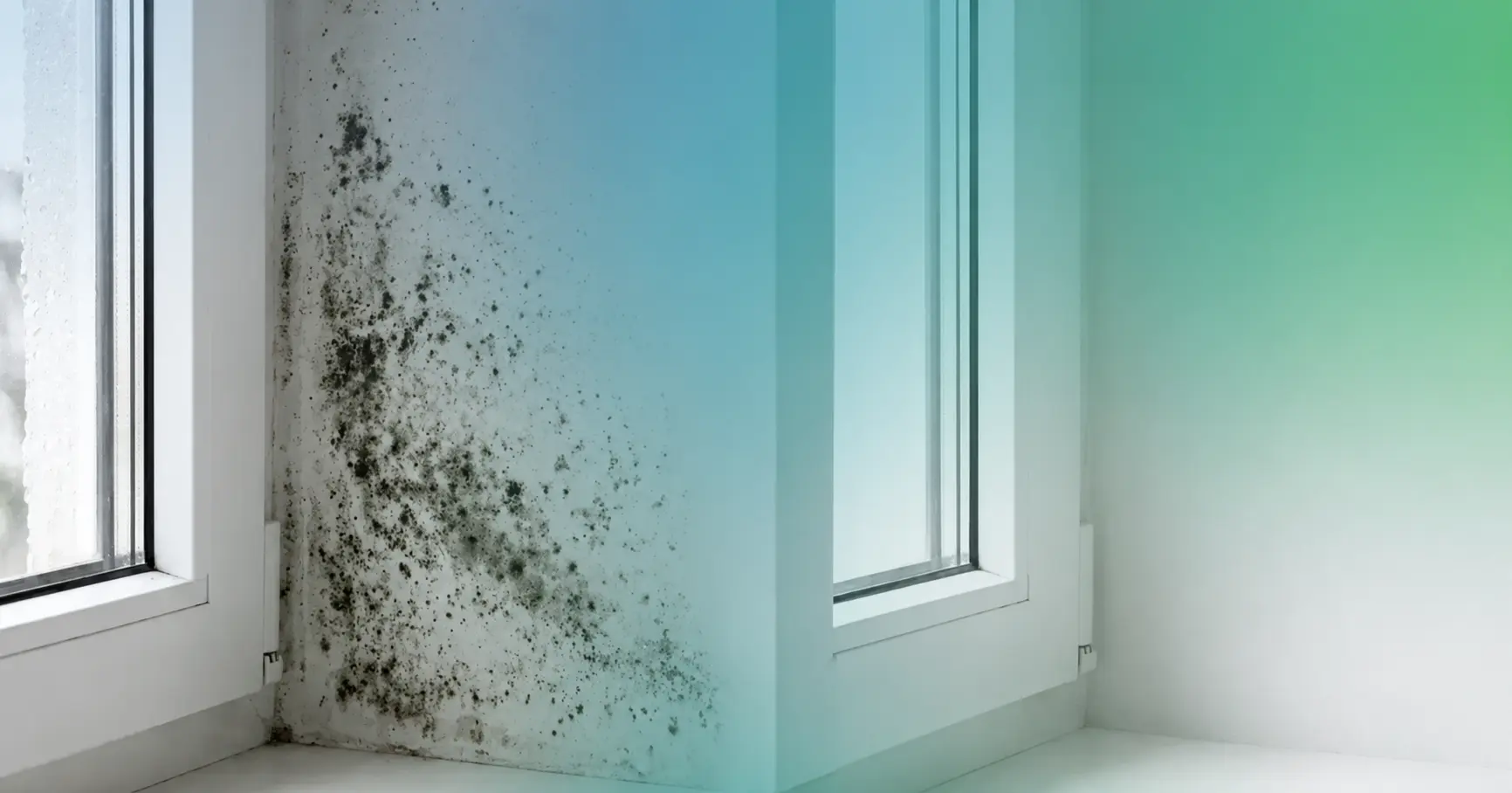
Suspect Mold in Your Attic?
Get a free Houston attic mold inspection today.
TDLR Licensed · IICRC Certified · Ventilation Fix · Free Inspection
Why Houston Attics Are Prone to Mold
A Houston attic bakes in heat while pulling in humid air, and if ventilation is poor that moisture has nowhere to go. Add a small roof or flashing leak and the wood sheathing stays damp — ideal conditions for mold. Because attics are out of sight, the problem often grows for months before it is found.
Common Causes of Attic Mold
- Roof or flashing leaks
- Blocked or inadequate soffit and ridge ventilation
- Bathroom or dryer exhaust fans venting into the attic instead of outside
- High humidity combined with trapped attic heat
- Insufficient or moisture-laden insulation
Signs You Have Attic Mold
- A musty smell in upstairs rooms or closets
- Dark staining on rafters, trusses, or roof sheathing
- Visible mold on wood or insulation
- Water stains on the ceiling in the rooms below
- Noticeable humidity or condensation in the attic
Why Attic Mold Is Easy to Miss
Most homeowners rarely go into their attic, so attic mold is often discovered during a roof repair, a home inspection, or a sale — usually at the worst possible time. A quick inspection now can save you from a much larger, costlier problem later.
Our Attic Mold Removal Process
- Inspect the attic, roof line, and ventilation, and test the air if needed
- Contain the area to keep spores out of living spaces
- Remove or treat affected sheathing, rafters, and insulation
- HEPA-vacuum and apply EPA-registered antimicrobials
- Fix the moisture source — ventilation, leaks, or exhaust routing
- Confirm the attic is clean and dry
Why You Should Not Ignore Attic Mold
Left alone, attic mold spreads across the roof structure, can weaken sheathing, and lowers air quality in the rooms below. Because the moisture source stays, it keeps growing — and it becomes a red flag during any future home sale.
Why Houston Homeowners Trust Us
- TDLR-licensed and IICRC S520 certified
- We fix ventilation and leaks, not just the visible mold
- HEPA filtration and EPA-registered antimicrobials
- Written clearance when the job is complete
- Same crew start to finish
How Much Does Attic Mold Removal Cost in Houston?
Cost depends on how far the mold has spread across the sheathing and framing, and whether ventilation or roof repairs are needed. We inspect first and give you a clear written quote before any work begins.
Protect Your Home From the Top Down
Book your Houston attic mold removal today.
Same-Day Availability · Source-Fix Included · Written Report
Frequently Asked Questions
How did mold get in my attic?
Usually a mix of roof or flashing leaks, poor ventilation, or exhaust fans venting into the attic, combined with Houston’s heat and humidity.
Can attic mold affect the air in my house?
Yes. Attic mold can lower the air quality in the rooms below and spread further if it is left untreated.
Do I need to replace my attic insulation?
Sometimes. Mold-contaminated insulation often needs to be removed and replaced, which we assess during the inspection.
How long does attic mold removal take?
Most jobs take 1 to 2 days depending on the spread and any ventilation or leak repairs required.
Will attic mold come back after removal?
Not if the moisture source is fixed. We address ventilation and leaks as part of every job so the mold does not return.