Found dark, spreading mold in your Houston home? Black mold — Stachybotrys chartarum — thrives in exactly the conditions Houston serves up year-round: humidity, leaks, and flooding. Our licensed, IICRC-certified team removes it the right way — contained, removed at the source, and verified clean with an independent lab test.
Worried About Black Mold in Your Home?
Free inspection and same-day response across Greater Houston.
What Is Black Mold?
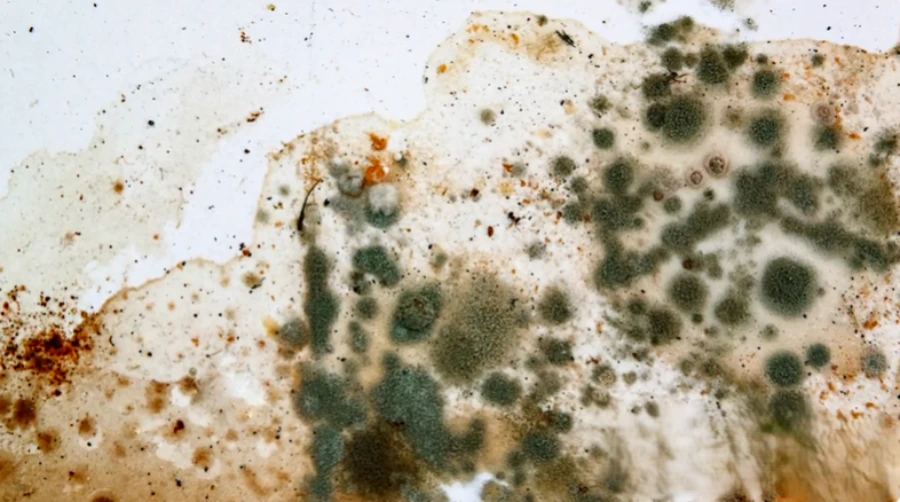
“Black mold” usually refers to Stachybotrys chartarum, a dark green-to-black mold that grows on damp, cellulose-rich materials like drywall, wood, and ceiling tiles. It needs one thing to take hold: moisture that lingers — which is why it shows up after leaks, floods, and in the chronically humid corners of Houston homes. Here is the honest part most sites skip: black mold is not a magic super-toxin, but it is not harmless either. It can trigger allergy and respiratory symptoms, and it always signals a moisture problem serious enough to fix properly.
Is Black Mold Dangerous to Your Health?
According to the CDC and EPA, mold exposure — including black mold — most often causes nasal congestion, coughing, sneezing, throat and eye irritation, and worsened asthma. Some molds can produce compounds called mycotoxins under certain conditions, but for most healthy people the everyday risk is allergic and respiratory rather than the severe systemic illnesses often claimed online. The people who should take it most seriously are:
- Infants and young children
- Older adults
- Anyone with asthma, COPD, or allergies
- People with weakened immune systems
The takeaway: you do not need to panic, but you do need to act — especially if someone vulnerable lives in the home.
Where Black Mold Hides in Houston Homes
- Behind bathroom walls and around showers — constant humidity and poor ventilation
- In attics — Houston heat and trapped moisture, especially with roof leaks
- After flooding — Meyerland, Braeswood, and other flood-prone ZIPs see in-wall mold within days
- Around HVAC systems and air handlers — condensation from year-round AC use
- Under sinks and behind appliances — slow leaks you cannot see
- In pier-and-beam crawl spaces of older Houston homes
By the time black mold is visible on a surface, there is usually more behind it. That is why we inspect and air-test before we quote.
Signs You May Have Black Mold
- Dark green or black patches on walls, ceilings, grout, or baseboards
- A strong, persistent musty or earthy smell
- Any history of water damage, flooding, or leaks — even resolved ones
- Peeling paint, bubbling, or warping on walls
- Allergy or respiratory symptoms that ease when you leave home
Black Mold vs. Mildew
Mildew is a surface mold — powdery, gray-white, and easy to wipe away. Black mold is dark, slimy or fuzzy, and almost always means a deeper, ongoing moisture problem. You cannot reliably tell them apart by eye, and it matters because the removal approach and containment level differ. Lab testing settles it for certain.
Our Black Mold Removal Process
- Inspection and air testing to locate the mold and its moisture source
- Containment with polyethylene barriers and negative air pressure
- HEPA air filtration to capture airborne spores down to 0.3 microns
- Physical removal and EPA-registered antimicrobial treatment
- Dry-out and moisture control to fix the root cause
- Third-party clearance testing with a written report
Why You Should Not Remove Black Mold Yourself
Bleaching a surface patch leaves the roots and the moisture source behind — and the scrubbing sends spores airborne, spreading them to clean rooms. For anyone with asthma or allergies in the home, that is a real health risk. Texas law also requires a TDLR-licensed contractor for any mold job over 25 square feet. Professional removal is not about fear — it is about containment, source repair, and verified-clean air.
Why Houston Homeowners Trust Us
- TDLR-licensed and IICRC S520 certified
- Independent lab clearance on every job — not just our word
- We fix the moisture source, so it does not come back
- Honest assessments — if it is a small job, we will tell you
- Same crew start to finish, no outsourcing
Get Your Free Black Mold Inspection
Licensed, IICRC-certified, and verified clean in writing.
Frequently Asked Questions
How do I know if it is black mold or regular mold?
You cannot reliably tell by color alone — black mold is dark and slimy or fuzzy and usually signals a deeper moisture problem, but only lab testing confirms the species for certain. That is part of our inspection.
Is black mold in my Houston home a health emergency?
For most healthy people it is an allergy and respiratory concern, not an emergency. But it should be removed promptly — especially with infants, older adults, or anyone with asthma or a weakened immune system in the home.
Can I just paint or bleach over black mold?
No. Painting or bleaching the surface leaves the roots and the moisture source, so it usually comes back — and disturbing it spreads spores. It needs proper containment and source repair.
How long does black mold removal take?
Most black mold jobs take 1 to 3 days depending on the spread and whether water damage is involved. Larger in-wall or post-flood jobs can take longer, including drying and clearance testing.
Do you test the air after removing black mold?
Yes. Every job ends with independent third-party air testing and a written clearance report confirming the mold is gone and the air is safe.